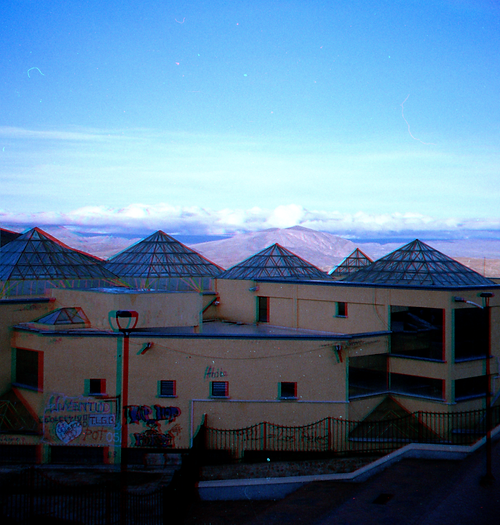
IN STEREO
We are thinking about focusing on the children, and we have established some precedents, with book fairs that we have organised in which certain [activities] for children have been conducted, so that they can get to know their heritage and have that love of what they have. Change for older people is going to be more complex because there are certain things that are already… You know, when we are grown up, some things no longer come to us. But we started with the children. We started to show how important it is; that they, as a Potosínian child, are as important as an Egyptian child who has pyramids, that they are considered very important in the world, that they are part of a city that contributed much to history. This will generate in the child an identification with their city – they are going to feel proud of being Potosíno and they will grow up with that idea. They will be able to teach future generations.
And we are going to teach much more from our point of view: that future generations can do conservation [and] preservation work because there will already be an identity formed from when they were little. So children [and] young people are essential, because they will eventually be fathers, they will be mothers, and they will take care of – and they are going to teach their children to take care of – all the heritage, all the architecture that we have. There are different manifestations related to the heritage in Potosí – artistic, cultural – but it is more the older people who are working on that, not so much the young people. They have other perceptions, so we need to generate space so that the living youth culture can manifest without damaging the historical centre. That is what we need, but I can’t generate those policies – the municipality generates them. – Heritage Official